
Let me explain. Take David Bowie:

A talented musician who's made incredible music that will be listened to for generations. But with the help of his image. He created an eccentric image with the help of his two different coloured eyes, his reputation for crazy outfits, and crazy spiked ginger hair that resembles the top of a pineapple. This of course gave him extra publicity, helping him to achieve fame.
A touring exhibition is currently going around the world, centred around Bowie's original costumes, album artwork and creative influences. In other words, this exhibition is focusing on his image, rather than his music. And many people who may secretly loathe David Bowie's music will go to this exhibition to gawk in wonder at his insane clothing taste, and to appear cultural in front of their friends.
Ultimately, music is a product: which means people have to turn themselves into products themselves in order to achieve mass fame, and sell.
As I go through a list of the categories of 'products' people are turned into, you'll start to wonder more and more whether or not it actually is possible to achieve fame without an image...
1) Product Number 1: The sexually attractive girl
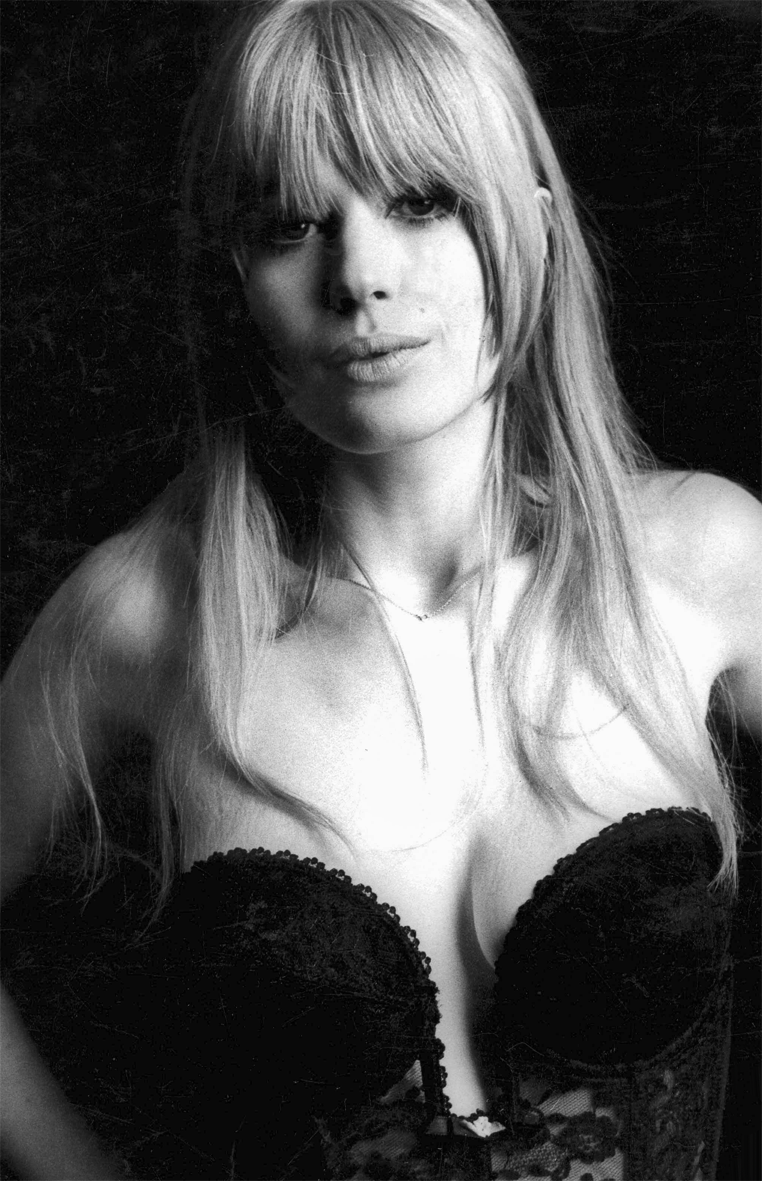
This has many sub-categories, because it is one of the most common. The two most common ones are sexually attraction through trying to appear cute and virginal (even if you doubt she may really be a virgin, if you stare at her innocent smile, blonde hair and girl-next-door hairstyle, you find it incredibly easy to convince yourself she is) like Marianne Faithfull and Britney Spears in their early days, or she has some sort of inner confidence and (supposed) sexual maturity that oozes sex appeal like Grace Slick, Joan Jett or Debbie Harry. Ironically, as the 'cute & virginal' sexually attractive girl matures, she tries to dramatically change her image so she fits into the sexually mature category, as we've seen happen with Miley Cyrus. Marianne Faithfull's image also changed after she released the film 'The Girl on the Motorcycle', and her scandalous behaviour with Mick Jagger was made public....as for Britney Spears....she tried to shed her 'virginal' image as quickly as she could.
Marianne as virginal: (throughout this period she'd almost always wear tops right up to her neck)


BAM, Marianne becomes sexy: (BAM, Cleavage everywhere)

2) Product number 2: The eccentric
We've seen this countless of times, used as a form of publicity to get a lot of attention. This includes acts of sexual promiscuity (though their effects are wearing off as we are exposed to this more and more frequently), such as Miley Cyrus' famous VMA performance and Madonna's pointed bras.
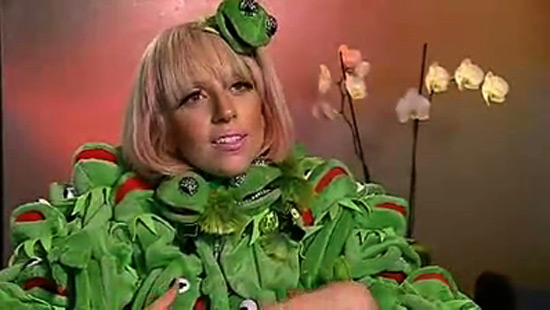
Undoubtedly, the most favoured way for musicians to make themselves seem eccentric is to wear eccentric clothing. This was seen very frequently during the 70s and 80s, and David Bowie did this very often.

Lady Gaga's mix of sexual promiscuity in her music videos and crazy outfits have ensured that she has achieved world-wide fame, proving that she knows herself exactly how important becoming a 'product' is to achieve fame.
3) Product number 3: The Badass Rockstar

The Rolling Stones, AC/DC, Led Zeppelin, The Who, The Doors.... I could go on listing for years.
These people became famous because of their extreme alpha male-esque confidence, drug usage, crazy sex stories (crazy to think that Jimmy Page effectively kidnapped the 14 year old Lori Maddox and used her as a sex slave...and this was regular behaviour?).
Trashing hotel rooms, drinking like mad, having groupies crawl after them...
All the girls want them.
And all the guys want to be them.
As times have changed and music has changed, we now see many rappers and hip hop artists trying to fill in the space left by the 'Badass Rockstar', surrounding themselves with half naked women in their music videos, and becoming famous for drug usage.

4) Product number 4: The attractive boy-band
Never underestimate girl power.
Anyone at the Beatles' perfomance at Shea Stadium probably still feels a slight ringing in their ears when recalling the screaming girls, who'd faint one by one.
Girls claimed they'd have orgasms just standing in a Beatles' performance
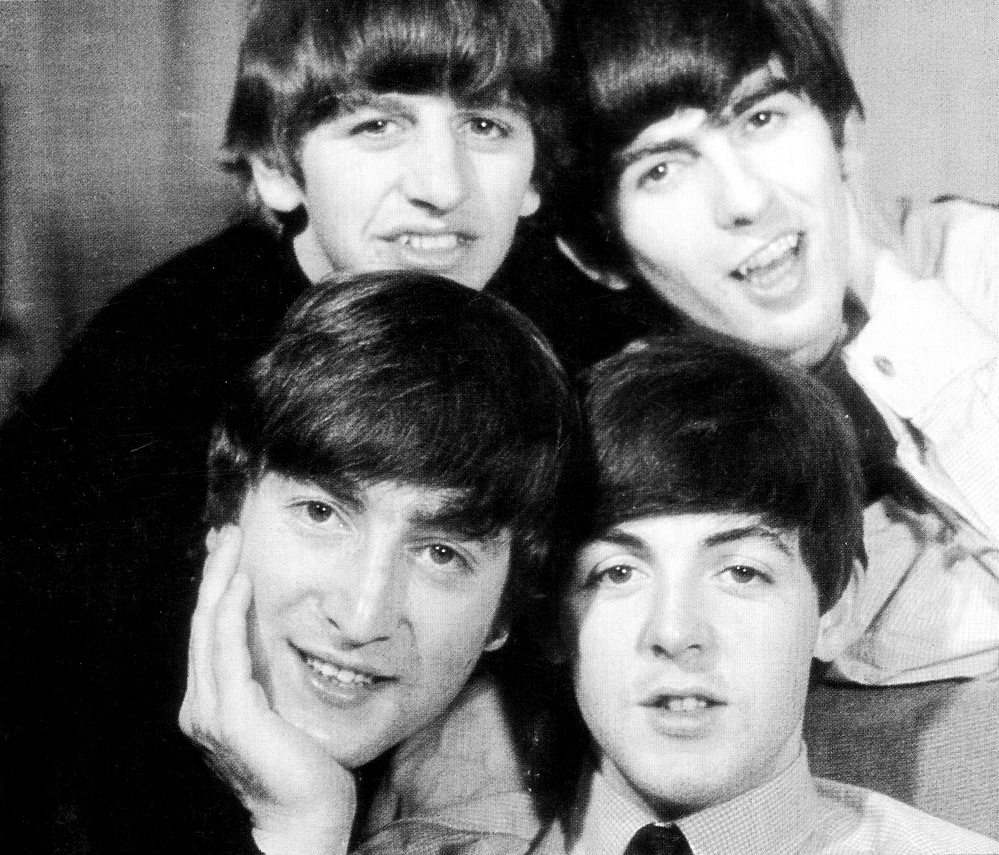

Why else are a terrible, terrible band like One Direction world-famous?
5) Product number 5: The intellectual artist who writes deep, 'insightful' and depressing lyrics about how terrible the world is.
The artist proceeds to do one of two things: he wallows in self-pity or tries to use his lyrics to change the world.

Listen up y'all, the world is a terrible place but it's ok because I'm going to bring about world peace with my song lyrics....FUCK THE POLITICIANS, WHO NEEDS 'EM??
Said Bob Dylan
And John Lennon
Listen up y'all, THE WORLD IS A TERRIBLE PLACE AND YOUR GIRLFRIEND WILL FALL IN A COMA OR YOU WILL TRY TO GO TO A CLUB TO FALL IN LOVE BUT INSTEAD WILL STAND ON YOUR OWN AND GO HOME AND CRY AND WANT TO DIE, and then take it all out on the DJ and write a song about hanging him.
Said Morrissey.
6) Product Number 5: The mysterious ones
Ssssh, we can't scare them away. I think they're fairies. Their music certainly sounds like it.

The XX and Syd Barrett (after he decided to release his own music) fit in here. These people who hide from the limelight, and reject the entire notion of becoming a product. But what they don't realise is, there is no way to escape it- in a world where every musician who achieves fame turns into a product, if you try to hide away then you are automatically selling yourself as 'Mysterious'.
Take this quote from Syd Barrett:
“I don’t think I’m easy to talk about. I’ve got a very irregular head. And I’m not anything you think I am anyway.”
Don't get more mysterious than that!
You could even argue Slipknot, with their insistence on wearing masks, fit in here. Although, their music does not sound at all like fairies.
These categories mix together a lot, for example occasionally the 'Badass Rockstar' decides to write a song that also defines him as an 'Intellectual Artist'. Or there can be a band with a lead singer who is 'Sexually Attractive' whilst the rest of band members are the 'Mysterious Ones' who the public know very little about.
There is nothing wrong with having an image at all. In fact, as I just mentioned, by rejecting the notion of becoming a product, you become one underneath the 'mysterious' category. But I believe the problem arises when musicians become more about their image than about their music. Often, when terrible music becomes famous, it's because of publicity, and because the artist has a strong 'image' (take the majority of boy-bands out there). Also, I think it is sad that it has become necessary for artists to invest so much in maintaining their image,which is especially a problem for girls. Women in the music industry are under a lot of pressure to be sexually attractive, to die their hair a different colour every month, and essentially appear youthful forever. Madonna achieved fame in her late 30s. That could not happen any more. The average female artist becomes famous around 17-20. Any later than 25 and that's it- you have a significantly less of a chance to achieve fame under the 'sexually attractive' category- though there's always the option of fitting yourself under the 'intellectual artist' category. Though of course, sex sells a lot better, and people listen to music now to escape their worries in life, not to be reminded of the horrors in the world. The 'intellectual artist' category is dying.
What do you think?


